ClarkDietrich AIA Continuing Education Courses.
ClarkDietrich Building Systems is dedicated to providing a wide array of continuing education opportunities using a variety of education methods including face-to-face (Lunch & Learn) and on-line learning alternatives. If you are interested in one of our face-to-face learning sessions, contact us at (330) 978-3157, or fill out the Architectural Section of the General Support Form. We usually require a minimum of 10 associates to conduct these training presentations. On-line learning is also a convenient method for AEC professionals to gain knowledge and earn continuing education credits. These courses are free of charge and can be taken at your convenience.

ON-LINE COURSES:
The Importance of Lath Embedment in Portland Cement-Based Plaster (Stucco)

Stucco is a popular and durable finishing material that offers many benefits, combining safety and affordability while satisfying aesthetic needs. It can be applied to various surfaces using a lath system, which provides support for stucco. However, the quality of the stucco lath embedment can greatly affect its performance. This course covers the proper technique for achieving lath embedment, the different types of metal lath and their various applications, and regional material preferences. On-line course through AEC Daily
This course qualifies for (1) AIA HSW CE Hour
Course No. AEC1957
ON-LINE COURSES:
Why Build with Steel: Benefits of Cold-Formed Steel Framing

This course will educate the AEC team on the advantages of utilizing cold- formed steel framing in the construction of mid-rise structures. It discusses reasons for using cold-formed steel framing in the structural framing of buildings, the preferred method of construction to frame buildings, as well as the advantages realized by the members of the Owner/Architect/Contractor team. On-line course through Ron Blank
On-line course through Ron Blank
This course qualifies for (1) AIA HSW CE Hour
AIA Course Number: CD 013OL
Learning Objectives:
- How Panelized and Stick Built methods of construction can save you money and time, and help to prevent injury on the job site.
- Understand how installation of the Joist and Rim Track floor systems are designed to "ready the floor for the trades.”
- Discover how material choice, insurance premiums and maintenance are some of the things to consider when choosing CFS over wood.
- Recognize that speed and cost savings is an advantage for the Owner; design flexibility and LEED Certification is an advantage for the Architect; and Contractors benefit from panelization and the consistent quality of CFS.
Cold-Formed Steel Framing Connections: Meeting Today's Architectural Challenges

This course focuses on building connectors, providing an understanding of deflection and its importance in accommodating movement. Participants will learn about various types of deflection and drift clips used in the industry. The course also explores different support clips suitable for rigid attachments in building construction, as well as specialty clips and connectors that enhance performance and durability. Additionally, participants will explore labor-saving products available in the industry to improve efficiency and speed during construction. Finally, the course familiarizes participants with industry tools designed to aid in the design of connectors for building structures, equipping them with the knowledge needed to make informed decisions and ensure the stability and durability of buildings. On-line course through Ron Blank
On-line course through Ron Blank
This course qualifies for (1) AIA LU/HSW CE Hour
AIA Course Number: CD 022OL
Learning Objectives:
- Gain an understanding of deflection and its significance in accommodating movement and identify various types of deflection and drift clips.
- Explore different support clips suitable for rigid attachments in building construction.
- Examine specialty clips and connectors employed to enhance the performance and durability of building structures.
- Explore labor-saving products available in the industry to improve speed and efficiency.
- Familiarize yourself with industry tools designed to aid on the design of connectors for building structures.
Lath: Selection & Specifications to Enhance Stucco Performance
Become familiar with metal lath products and stucco and plaster accessories that are available in galvanized steel, zinc alloy and vinyl. Examine trim and bead products used for veneer, stucco and plaster applications, and identify the benefits of using vinyl accessory products. On-line course through Ron Blank
On-line course through Ron Blank
This course qualifies for (1) AIA HSW CE Hour
AIA Course Number: CD 014OL
Learning Objectives:
- Discuss differences in metal lath products and understand materials and procedures for safe and proper installation
- Describe stucco and plaster accessories that are available in galvanized steel, zinc alloy and vinyl and which accessory to use depending on the application to ensure optimum performance
- Describe trim and bead products used for veneer, stucco and plaster applications and which accessory to use depending on the application to ensure optimum performance
- Discuss the types of vinyl accessory products and how they compare and contrast to their metal counterparts
Fire-Rated Head-of-Wall Joint Assemblies: Considerations for Design Professional
This course explores the critical aspects of fire-rated head-of-wall joint assemblies, providing design professionals with essential knowledge to enhance the safety and integrity of construction projects. Through an in-depth exploration of key concepts, participants will gain an understanding of fire-rated joint assembly components, the application of steel intumescent fire stops in diverse construction assemblies, and the standards essential for establishing UL-certified assemblies. Design considerations for specifying and detailing the protection of fire-rated perimeter joints will also be discussed. On-line course though Ron Blank
On-line course though Ron Blank
This course qualifies for (1) AIA HSW CE Hour
AIA Course Number: CD 025OL
Learning Objectives:
- What constitutes a fire and smoke rated joint assembly
- Explore Steel Intumescent Fire Stops and how they are used in different construction assemblies
- Review standards measured for UL2079 and ASTM E1966 and how they are used to establish UL assemblies
- What design professionals should consider when specifying and detailing protection of fire and smoke rated perimeter joints
FACE-TO-FACE (LUNCH & LEARN) COURSES:
Specifying Materials for Sustainability using the LEED Rating System

This course will go over how EPDs and HPDs play a valuable role in LEED v4.1 Materials and Resources and the importance of product transparency. It also discusses differences the changes made in LEED v4.1 under Materials and Resources credit category with guidelines for using credit substitutions. This presentation will also cover the supply chain, recycled content and benefits of building with steel. Face-to-Face (Lunch & Learn)
Face-to-Face (Lunch & Learn)
This course qualifies for (1) LU/HSW Hour, (1) GBCI CE Hour
AIA Course Number: CD 021
GBCI Course ID: 0920027649
Learning Objectives:
- Changes to Materials and Resources credit category for LEED v4.1 BD+C
- Understanding the importance of product transparency
- Understanding the benefits of steel, recycled content and the supply chain
- How steel contributes toward LEED certification.
Steel Framing Specifications: Navigating IBC 2021 Guidelines

Having an up to date specification starts with understanding what is in the building code. This course reviews the requirements that steel framing must meet to be compliant to IBC 2021. It covers the standards for manufacturing tolerances, minimum thickness and protective coatings. Participants will also review fire-rated partitions. Face-to-Face (Lunch & Learn)
Face-to-Face (Lunch & Learn)
This course qualifies for (1) AIA HSW CE Hour
AIA Course Number: CD 026
Learning Objectives:
- Recognize standards to specify per IBC 2021
- Define structural and nonstructural studs and comprehend material, manufacturing, coating and installation requirements
- Fire-Rated Assemblies – identifying differences between interior and exterior walls and test requirements
- Industry Associations and construction specifications and understanding nomenclature
Fire-Rated Head-of-Wall Joint Assemblies: Considerations for Design Professionals
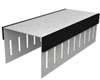
This course explores the critical aspects of fire-rated head-of-wall joint assemblies, providing design professionals with essential knowledge to enhance the safety and integrity of construction projects. Through an in-depth exploration of key concepts, participants will gain an understanding of fire-rated joint assembly components, the application of steel intumescent fire stops in diverse construction assemblies, and the standards essential for establishing UL-certified assemblies. Design considerations for specifying and detailing the protection of fire-rated perimeter joints will also be discussed. Face-to-Face (Lunch & Learn)
Face-to-Face (Lunch & Learn)
This course qualifies for (1) L.U. meeting HSW (Health Safety and Welfare)
AIA Course Number: CD 025
Learning Objectives:
- What constitutes a fire and smoke rated joint assembly
- Explore Steel Intumescent Fire Stops and how they are used in different construction assemblies
- Review standards measured for UL2079 and ASTM E1966 and how they are used to establish UL assemblies
- What design professionals should consider when specifying and detailing protection of fire and smoke rated perimeter joints
Cold-Formed Steel Framing Connections - Meeting Today's Architectural Challenges
This course focuses on building connectors, providing an understanding of deflection and its importance in accommodating movement. Participants will learn about various types of deflection and drift clips used in the industry. The course also explores different support clips suitable for rigid attachments in building construction, as well as specialty clips and connectors that enhance performance and durability. Additionally, participants will explore labor-saving products available in the industry to improve efficiency and speed during construction. Finally, the course familiarizes participants with industry tools designed to aid in the design of connectors for building structures, equipping them with the knowledge needed to make informed decisions and ensure the stability and durability of buildings. Face-to-Face (Lunch & Learn)
Face-to-Face (Lunch & Learn)
This course qualifies for (1) AIA HSW CE Hour
AIA Course Number: CD 022
Learning Objectives:
- Gain an understanding of deflection and its significance in accommodating movement and identify various types of deflection and drift clips.
- Explore different support clips suitable for rigid attachments in building construction
- Examine specialty clips and connectors employed to enhance the performance and durability of building structures
- Explore labor-saving products available in the industry to improve speed and efficiency
- Familiarize yourself with industry tools designed to aid on the design of connectors for building structures
The Benefits of Building with Steel on Mid-Rise Construction Projects
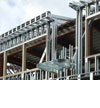
This course will educate the AEC team on the advantages of utilizing cold-formed steel framing in the construction of mid-rise structures. It discusses reasons for using cold-formed steel framing in the structural framing of buildings, the preferred method of construction to frame buildings, as well as the advantages realized by the members of the Owner/Architect/Contractor team. Face-to-Face (Lunch & Learn)
Face-to-Face (Lunch & Learn)
This course qualifies for (1) AIA HSW CE Hour
AIA Course Number: CD 024
Learning Objectives:
- Introduce cold-formed steel (CFS) framing and explore the benefits of using it on mid-rise construction projects
- Analyze the two methods of construction based on ASTM C1007: Panelized Construction and Stick Built Construction.
- View various floor systems supported by cold-formed steel framing
- Determine the true cost of building with wood vs. steel
- Review the advantages of cold-formed steel to the Owner/Architect/Contractor team
Lath: Selection and Specifications to Enhance Stucco Performance
Confused about the various types of laths available? Want to know the advantages of each? What are the ASTM standards the various types of lath are required to meet? What are some of the challenges of lath and plaster? This course will answer these questions and review best practices and solutions. Face-to-Face (Lunch & Learn)
Face-to-Face (Lunch & Learn)
This course qualifies for (1) AIA HSW CE Hour
AIA Course Number: CD 014
Learning Objectives:
- Evaluate and compare various lathing materials in terms of code compliance
- Evaluate lath to ASTM standards and acceptance criteria
- Evaluate and compare various lathing materials in terms of sustainability
- Evaluate and identify specific challenges of stucco wall systems while reviewing best practices and solutions
- Explore stucco and stucco composition as a natural and energy efficient cladding